

Warehouse electrical contractors — without stopping the racking.
Our warehouse electrical contractors deliver high-bay lighting, distribution upgrades, fleet EV and solar across operational warehouses and depots. We work around pick shifts, MHE traffic and delivery windows, aisle by aisle, so throughput never depends on our programme.
- Phased aisle-by-aisle working. No unplanned downtime on any operational site.
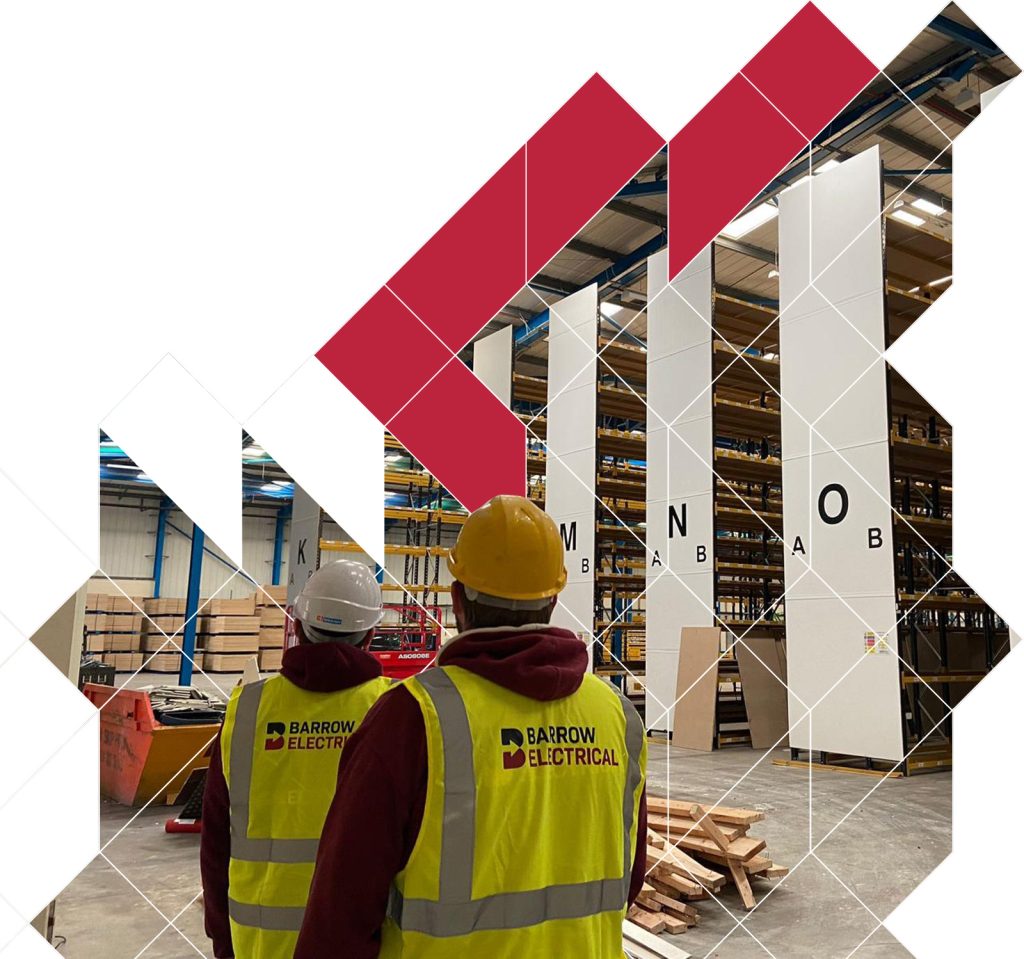
Downtime here has a price per hour
A distribution centre losing power loses picks, loses despatch slots and loses SLA. Everything we do on logistics sites is designed around continuous operation — temporary supplies, night shifts and phased isolation rather than a shutdown.
60–70%
Lighting energy saved converting high-bay to LED
15+ m
Working heights we install at, MEWP and access planned
24/7
Shift patterns we work to, including nights and weekends
5 yr
EICR cycle managed across multi-site estates
High-bay lighting is the fastest win in the building
Warehouse lighting runs long hours at high output, so a fluorescent or metal-halide to LED conversion typically cuts lighting energy 60–70% and removes the lamp-change access cost entirely. Presence detection in low-traffic aisles and racking-aligned optics matter more than raw lumen output — we design to the racking layout, not the empty floor plan.
Loads have grown; distribution often hasn't
Automation, conveyors, chillers and now EV fleets have all been added to boards that were sized for a simpler building. We survey actual demand against agreed capacity before recommending anything, because a load-managed solution is usually cheaper than the supply upgrade you were told you needed.
Everything a distribution estate needs
From a single depot to a national rollout, the same warehouse electrical contractors, documentation standard and point of contact stay with the programme.

Distribution and switchgear
Board replacement, sub-main upgrades and busbar work for automation, conveyors and chillers — phased with temporary supplies so lines keep running.

High-bay LED and controls
High-bay LED lighting installation with racking-aligned optics, aisle presence detection and daylight dimming. Installed from MEWPs around live MHE traffic, aisle by aisle.

Fire alarm and emergency lighting
BS 5839 detection and BS 5266 escape lighting across large-volume spaces, with racking and sprinkler coordination designed in.
EV charging for fleets
Logistics depot EV charging modelled around duty cycles and shift departures, with dynamic load management so the yard shares one supply overnight.
Roof-mounted solar PV
Warehouse roofs are the best commercial solar asset in the UK. Large area, simple pitch, and daytime consumption that matches generation.
Planned and reactive maintenance
Thermographic surveys, EICR cycles and a 24/7 call-out line. On a depot, an hour of darkness is an hour of lost despatch.
How a logistics programme actually runs
The electrical work is routine. Coordinating it around picks, MHE and despatch windows is the part that decides whether the programme succeeds.
01
Survey during operation, plan around the shift pattern
We survey while the site runs, so the programme reflects real MHE traffic and aisle occupancy rather than a drawing. Access, MEWP routes and isolation points are agreed with your shift managers before mobilisation.
02
Aisle-by-aisle phasing with temporary lighting
Only one working area is ever out. Temporary lighting and supplies keep the aisle safe and usable, and each aisle is handed back tested and lit before the next is opened.
03
Night and weekend shifts where they protect throughput
Where daytime access is impossible, we run nights and weekends with our own supervision. No unaccompanied labour, and the same certification standard as day work.
04
Multi-site rollouts run as one programme
Across an estate, sites are sequenced to reuse the same crew, method statement and materials specification — which is where the real cost saving in a rollout comes from.
05
Certified handover, site by site
Test certificates, as-built drawings, emergency lighting layouts and O&M manuals issued per site as it completes, not in one bundle at the end.
06
Maintenance that catches heat before failure
Thermographic surveys on boards and busbars, EICR cycles and reactive cover — because on a depot the cheapest fault is the one found during a planned inspection.
Delivered in the window we were given
Two representative programmes. Swap the photography for your own completed education projects.
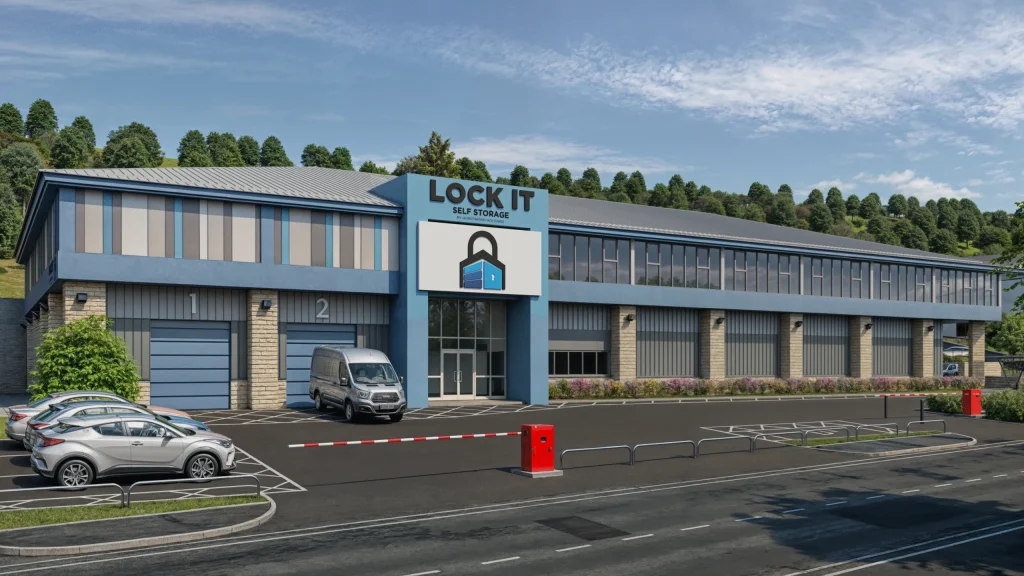
Driver House, Rossendale
Hurstwood Holdings appointed Barrow Electrical to deliver the complete electrical package for the conversion of a vacant building into a 500-unit self-storage facility — covering power, lighting, fire alarms, data and EV charging infrastructure across all floors.
- 500 Storage Units Served
Driver House, Rossendale
Hurstwood Holdings appointed Barrow Electrical to deliver the complete electrical package for the conversion of a vacant building into a 500-unit self-storage facility — covering power, lighting, fire alarms, data and EV charging infrastructure across all floors.
- 500 Storage Units Served
From a single depot to a national network
Each building type brings a different constraint: ceiling height, temperature, automation density or vehicle movement. We scope for the operation, not for a generic shed.
Distribution centres
High-bay · Automation · 24/7
Transport depots
Yard lighting · Fleet EV
Cold storage
Sealed luminaires · Chiller loads
3PL and multi-client sites
Zoned metering · Fit-out changes
Manufacturing and assembly
Machine power · Containment
External yards and gatehouses
Column lighting · ANPR · Barriers
What operations and estates managers ask us
Can you work without shutting the warehouse down?
Yes — and on most logistics sites that is the only workable answer. We phase aisle by aisle with temporary lighting and supplies, so only one working area is affected at a time and each aisle is handed back tested and lit before the next is opened. Isolation points and MEWP routes are agreed with your shift managers in advance, so nothing we do surprises the pick team on the day.
Do you work night shifts and weekends?
Regularly. Where daytime access would compromise throughput, we run nights and weekends with our own supervisor on site. Night work costs more per hour and we quote it transparently rather than burying it — you can then judge whether a short planned shutdown or a longer night programme suits your operation better.
How do you install lighting at height over live racking?
MEWP access, exclusion zones and banksman cover, planned with your warehouse management and written into the RAMS before we mobilise. Where racking prevents MEWP access we use alternative access methods rather than working over stock. Every operative holds current IPAF and working-at-height certification.
What savings should we expect from a high-bay LED conversion?
Typically 60–70% of lighting energy against metal-halide or fluorescent, before controls. Adding aisle presence detection in low-traffic zones often pushes total savings higher again. The other saving people forget is access cost: LED removes the lamp-change programme that needs a MEWP and an aisle closure every time.
Can you run a rollout across our whole estate?
That is where we add most value. One survey standard, one specification, one crew moving through the sites in sequence, and one reporting format for the whole programme. It costs less per site than tendering each depot separately and it means every building ends up to the same standard.
What happens if we lose power mid-shift?
Our 24/7 line is answered by an engineer. Sites on a maintenance contract get priority attendance. We would rather prevent it — thermographic surveys on boards and busbars catch developing faults while the site is still running, which is considerably cheaper than an unplanned outage during despatch.
Book a survey around your shift pattern
Tell us the site, the shift pattern and the windows you can give us. We will survey while you operate and come back with a costed, phased programme that fits the way the building actually runs.