

Commercial battery storage installation - sized from your data, not a product range.
Every commercial battery storage installation starts with the site load, tariff, import capacity, export position and operating priorities. We model the use cases before recommending capacity, power or equipment – and say no when storage is not the right investment.
- Initial half-hourly data review available. No product recommendation until the site case is understood.
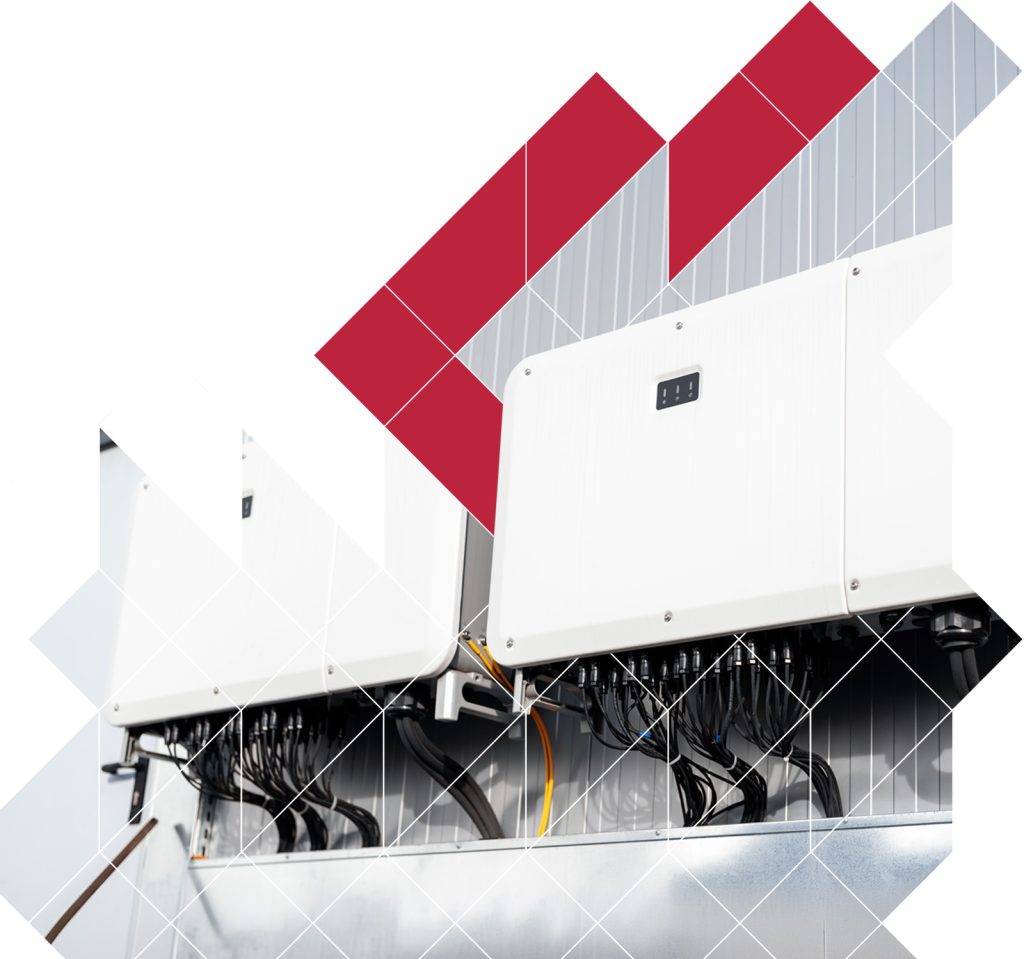
Storage does not create energy; it moves it to a more valuable time
The same battery can perform very differently on two neighbouring sites. Tariff structure, demand peaks, solar export, connection constraints and the loads that genuinely need resilience determine whether the project works.
Half-hourly data
Demand profile and timing reviewed
Tariff model
Import, export and capacity costs considered
Connection route
DNO requirements confirmed for the scheme
Continuous monitoring
Performance and faults visible after handover
The value usually has to be stacked
A commercial scheme is often justified by more than one benefit: reducing peak demand, increasing solar self-consumption, protecting essential circuits or creating headroom for EV charging. Each benefit is modelled separately rather than bundled into one optimistic headline.
Backup has to be designed in
A battery does not automatically keep a building running during an outage. Essential loads, changeover arrangements, operating duration and restart behaviour have to be agreed as part of the electrical design.
From data model to monitored installation
The commercial model, electrical design, connection route, installation and ongoing visibility are treated as one project rather than separate purchases.

Half-hourly data and tariff analysis
Site demand, peaks, operating windows, import and export rates and any existing generation are reviewed before a system size is discussed.

Use-case and option modelling
Peak management, tariff shifting, solar capture, EV support and resilience are modelled separately, with assumptions and sensitivity shown.

Electrical integration design
Power rating, usable capacity, essential loads, protection, metering, control philosophy and connection arrangement designed around the site.
DNO and stakeholder coordination
The connection route is confirmed with the relevant network operator, with insurer, fire strategy and landlord requirements brought into the programme where applicable.
Installation and commissioning
Equipment, containment, protection, metering and controls installed, tested and commissioned against the agreed operating strategy.
Monitoring and maintenance
State of charge, energy throughput, alarms and system performance made visible, with planned inspection and fault response agreed at handover.
How a commercial storage project actually runs
The data and connection route lead the programme. Equipment selection comes after the site case and design constraints have been agreed.
01
Review twelve months of site data
We analyse half-hourly demand, tariffs, generation and any known future load such as EV charging or plant expansion.
02
Survey the electrical and physical constraints
Incoming supply, switchgear, cable routes, equipment location, access, ventilation and essential-load arrangements are assessed.
03
Model the options and assumptions
Different capacities, power ratings and operating strategies are compared so the client can see what changes the return and what does not.
04
Confirm connection and stakeholder requirements
The DNO route, export limitation, landlord, insurer and fire-strategy requirements are identified before the installation programme is fixed.
05
Install and commission the complete scheme
Equipment, protection, controls and monitoring are installed and tested, with operating modes demonstrated against the agreed use cases.
06
Monitor, review and optimise
Actual performance is compared with the model, alarms are tracked and operating parameters are adjusted where the tariff or site behaviour changes.
Six use cases, each requiring a different control strategy
A project may use several of these at once, but the copy should make clear which benefits are proven by the model and which are optional design objectives.
Peak demand management
Demand peaks · Capacity constraints
Tariff shifting
Time-of-use pricing · Controlled discharge
Solar self-consumption
Surplus generation · Reduced export
Essential-load resilience
Critical circuits · Planned duration
EV charging headroom
Managed charging · Connection constraints
Flexibility services
Site suitability · Aggregator integration
What clients ask before committing to battery storage
Does commercial battery storage always pay back?
No. The answer depends on tariff structure, demand profile, solar export, connection constraints and how often the battery can perform a valuable cycle. We model the site before recommending equipment and show when the economics do not justify a project.
Should we install more solar first?
Often, yes. Solar generates energy whereas a battery shifts it. Storage becomes more compelling when the site is already exporting useful generation, paying material peak or capacity costs, needs resilience or has a constrained EV-charging connection.
Can a battery keep the whole building running?
It can be designed to support selected loads, but whole-building backup is rarely the default. The critical circuits, required duration, starting currents and changeover method have to be defined before the system is specified.
How is fire risk managed?
Chemistry is only one part of the decision. Equipment certification, location, separation, detection, ventilation, controls, manufacturer requirements, insurer input and the site fire strategy all need to be coordinated for the specific installation.
How long will the system last?
Life depends on chemistry, temperature, depth of discharge, operating strategy and the manufacturer warranty terms. We compare usable capacity, cycle or throughput warranty, expected degradation and replacement strategy rather than quoting one universal lifespan.
Do we need a DNO application?
Connection requirements depend on the equipment and how it imports or exports. Commercial storage commonly falls within the network connection process, so we confirm the route with the relevant DNO and build that timescale into the programme.
Start with twelve months of data, not a battery size
Send the site address, half-hourly data, tariff information and any planned solar or EV load. We will identify the credible use cases, connection questions and whether storage deserves a place in the investment plan.