

Care home electrical contractors — working around residents.
As care home electrical contractors, we plan works around residents, care routines and life-safety systems in occupied homes. We also support GP surgeries, dental practices and wider healthcare estates where buildings cannot simply close.
- Enhanced DBS clearance on every operative. Resident and patient impact assessed before mobilisation.
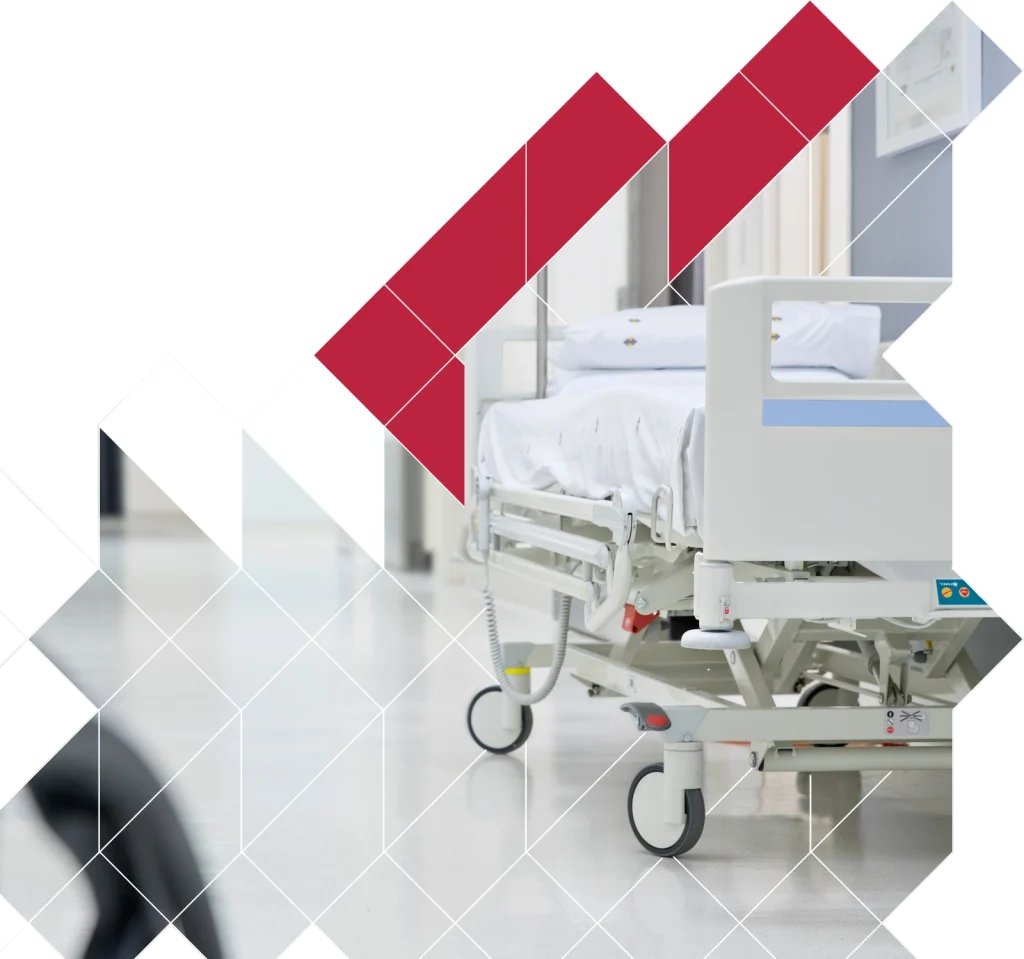
You cannot decant a care home for a rewire
Residents live here. Patients are treated here. Power supports call systems, hoists, medication fridges and, in clinical settings, treatment itself. Our programmes are built around continuity of care first and the electrical sequence second.
0
Planned interruptions to nurse call or life-safety systems
5 yr
EICR cycle managed across care and medical estates
3 hr
Emergency lighting duration tested and certified annually
24/7
Response for occupied care settings
Life-safety systems come before the programme
Nurse call, fire detection, emergency lighting and medical gas alarms are never taken out of service without a documented, monitored alternative agreed with the registered manager. Where an isolation is unavoidable, it is planned, timed, staffed and signed off — not decided by an electrician on the day.
Inspection expects records, not assurances
CQC and NHS estates inspections ask for fixed wire test certification, emergency lighting logs, fire alarm records and PAT evidence. We hold all of it against each site and issue a prioritised remedial schedule the registered manager can act on and evidence.
Compliance and capital works in live care settings
From one emergency-lighting remedial to a group-wide distribution programme, our care home electrical contractors apply the same documentation and discipline around residents.

Nurse call and warden systems
Nurse call system installation, extension and replacement, with monitored temporary cover during changeover agreed with the care team in advance.

EICR and compliance testing
Care home EICR testing, emergency lighting, fire alarm regimes and PAT, with certification held per site and ready for inspection.

Rewires and distribution upgrades
Room-by-room and wing-by-wing rewires, board replacement and sub-main renewal, delivered with residents in place wherever it is safe to do so.
Fire alarm and emergency lighting
BS 5839 detection and BS 5266 escape lighting designed for evacuation strategies that assume residents cannot self-evacuate quickly.
Clinical and treatment room power
Medical location works to HTM 06-01 and BS 7671 Section 710, including IT systems and supplementary equipotential bonding where required.
Standby power and resilience
Generator and UPS connections, changeover panels and essential circuit segregation, so the systems that must not fail have a route that does not depend on the grid.
How a care programme actually runs
The electrical work is standard. Doing it in a building full of vulnerable people, without distress or disruption, is the part that takes planning.
01
Survey with the registered manager, not around them
We walk the site with the person accountable for the residents. Their knowledge of routines, room occupancy and individual needs shapes the sequence far more usefully than a floor plan does.
02
Life-safety continuity planned in writing
Nurse call, fire detection and emergency lighting continuity is documented before mobilisation: what is isolated, for how long, what covers it and who signs it back into service.
03
Room by room, around routines
One room or bay at a time, timed around meals, medication rounds, personal care and sleep. Rooms are cleaned and handed back the same day — residents do not sleep in a construction site.
04
Vetted, briefed, consistent operatives
Enhanced DBS clearance on every operative, and the same small team throughout wherever possible. Familiar faces matter in a setting where unfamiliar ones cause distress.
05
Noise, dust and access controlled actively
Low-noise methods during rest periods, dust suppression and segregation on every work face, and corridors kept clear for hoists, wheelchairs and evacuation routes at all times.
06
Handed over inspection-ready
Certification, emergency lighting layouts, nurse call commissioning records and O&M manuals issued at completion, indexed for CQC or NHS estates inspection.
Delivered in the window we were given
Two representative programmes. Swap the photography for your own completed education projects.
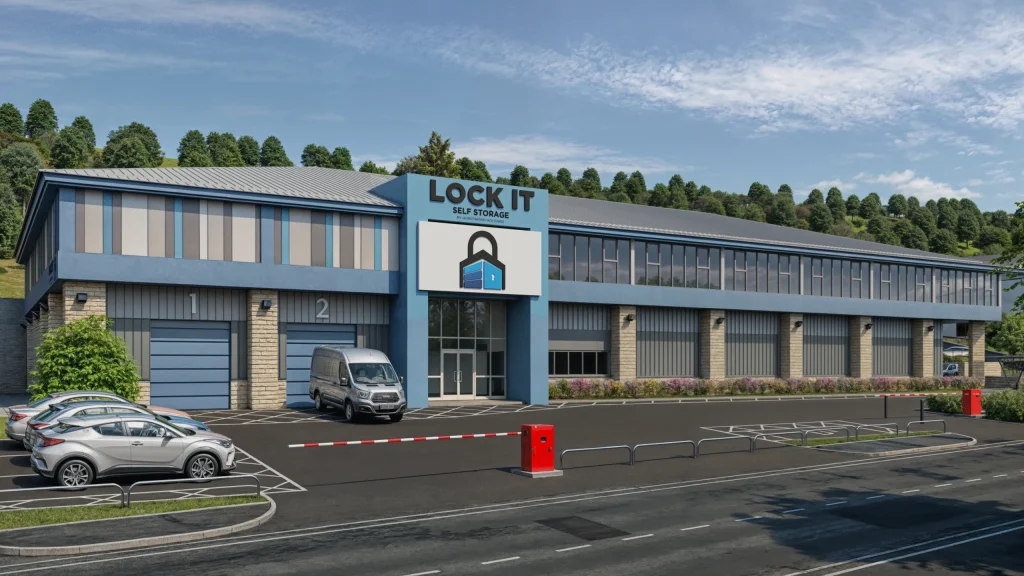
Driver House, Rossendale
Hurstwood Holdings appointed Barrow Electrical to deliver the complete electrical package for the conversion of a vacant building into a 500-unit self-storage facility — covering power, lighting, fire alarms, data and EV charging infrastructure across all floors.
- 500 Storage Units Served
Driver House, Rossendale
Hurstwood Holdings appointed Barrow Electrical to deliver the complete electrical package for the conversion of a vacant building into a 500-unit self-storage facility — covering power, lighting, fire alarms, data and EV charging infrastructure across all floors.
- 500 Storage Units Served
From a village surgery to an NHS estate
Each setting carries a different obligation — resident welfare, clinical standards, infection control or resilience. We scope for the setting, not for a generic building.
Care and nursing homes
Nurse call · Occupied working
GP surgeries and health centres
Clinical power · Out of hours
Dental practices
Treatment room power · IT systems
NHS estates
HTM 06-01 · Resilience
Supported living
Warden call · Resident liaison
Private clinics and hospices
Standby power · Quiet working
What registered managers and estates leads ask us
Can you work with residents still in the building?
In most cases yes, and it is what we do on the majority of our care work. We phase room by room and wing by wing, timed around meals, medication rounds and rest periods, with each room cleaned and handed back the same day. Where a scope genuinely requires an empty wing — a full rewire being the common example — we will tell you at survey stage and help you plan the decant rather than pretending phasing can absorb it.
How do you protect nurse call and fire systems during works?
Neither is ever isolated without a documented, monitored alternative agreed with the registered manager in advance. The plan states what comes out of service, for how long, what covers it and who signs it back in. On changeovers we run temporary monitored cover so there is no window where a resident could call and not be heard.
Are your operatives DBS checked?
Every operative attending a care or medical site holds enhanced DBS clearance and we hold the records centrally. We also keep the same small team on a site throughout wherever we can — familiarity matters a great deal to residents living with dementia.
What compliance evidence will CQC or NHS estates ask for?
As a minimum: fixed wire test certification on a five-year cycle, monthly and annual emergency lighting tests to BS 5266, weekly and periodic fire alarm testing to BS 5839, and PAT records by risk. We can hold all of it under one maintenance contract, with certification stored per site and a prioritised remedial schedule you can act on and evidence.
Do you work in clinical and treatment areas?
Yes — medical location works to HTM 06-01 and BS 7671 Section 710, including IT system supplies and supplementary equipotential bonding where the room classification requires it. Clinical works are almost always programmed outside treatment hours.
What happens in a power failure?
Our 24/7 line is answered by an engineer and care settings on a maintenance contract get priority attendance. A loss of power in a care home affects call systems, hoists, medication storage and door access simultaneously — we treat it as an emergency, not a routine fault.
Book a compliance survey around your routines
Tell us the setting and how the building runs. We will survey without disrupting care, produce a prioritised remedial schedule, and be honest about anything that cannot safely be done with residents in place.